The double helix that changed everything
One of the advantages (and there are few) of getting old is that I can look back at how the world changed over my lifetime. There have been radical changes in transportation such as commercial space travel for which I wait for coupons to be offered. New medicines arrived for treatment of cancers such as leukemia, (which saved my life), for multiple sclerosis, and COVID. Without our cell phones and computers, we become lost souls. Fifty years ago, most such technologies were science fiction. Society and the media are currently very focused on the coming of artificial intelligence. AI’s impacts will likely be unparalleled in human history, and we await its benefits and impacts with both thrill and trepidation.
The incredible advances occurring in biological sciences, however, are rarely mentioned by either the media or the public. Since the elucidation of the double helix structure of DNA, by Watson, Crick and Franklin in 1953, our perceptions of life on this planet have completely changed. DNA codes for all life functions and processes in the most incredulous and simplistic manner. Only four chemicals, equal to ABCD, provide the blueprint for the creation of every living organism. While the simplicity is amazing in itself, the chemical stability of DNA is unrivaled as it can be recovered and reconstituted from fossils millions of years old.
How DNA became programmable
Initially, most efforts targeted finding out how DNA stores information and translates it to cellular functions. By now, however, we can modify DNA structures to create new or altered forms of living organisms that is specific to our needs. Being able to synthesize DNA in a test tube cheaply and reproducibly, as described by Kary Mullis (1983), was a major step to bring about the genomics era. The method came to be called the polymerase chain reaction (PCR). In this simple process the double-strand of DNA is melted at 94-98°C to create two single strands. Reducing the temperature to 50-65°C allows a short DNA primer to bind to the single-strands and when the temperature increased to 72°C, a polymerase enzyme synthesizes two new DNA strands by adding nucleotides to the primers. Using an automated heating and cooling device the steps are repeated for 20-40 cycles in about 90 minutes. At each cycle the strands are doubled, producing millions of strands which then can be used for many purposes.
The polymerase enzyme at first was isolated from the E. coli bacterium, but this enzyme degraded at 72°C and thus had to be replaced after each cycle, making PCR lengthy, tedious, and costly. In a totally unrelated discovery by Brock and Freeze in 1969, was the isolation of a heat tolerant bacterium from the hot-springs of Yellow Stone National Park called Thermus aquaticus. From this bacterium Alice Chien (ten years later) isolated a heat stable polymerase which is called Taq, (from the bacteria’s name) that did not have to be replaced. Taq allowed for the automation of PCR, making it inexpensive and scalable. It is now the backbone of molecular biology, powering everything from forensic DNA testing to disease diagnostics. The Human Genome Project, which cost about $2.7 billion over 13 years without Taq would have cost double or triple due to manual labor and reagent waste. Taq was also a key in the development of next-generation sequencing and has reduced costs from what would have been about $100 million in 2001 to about $500 by 2023. The third generation of sequencers are now here and include handheld devices, such as the MinION, which can be used for DNA sequencing on sites as remote as mountain summits.
PCR: the tool that launched modern genomics
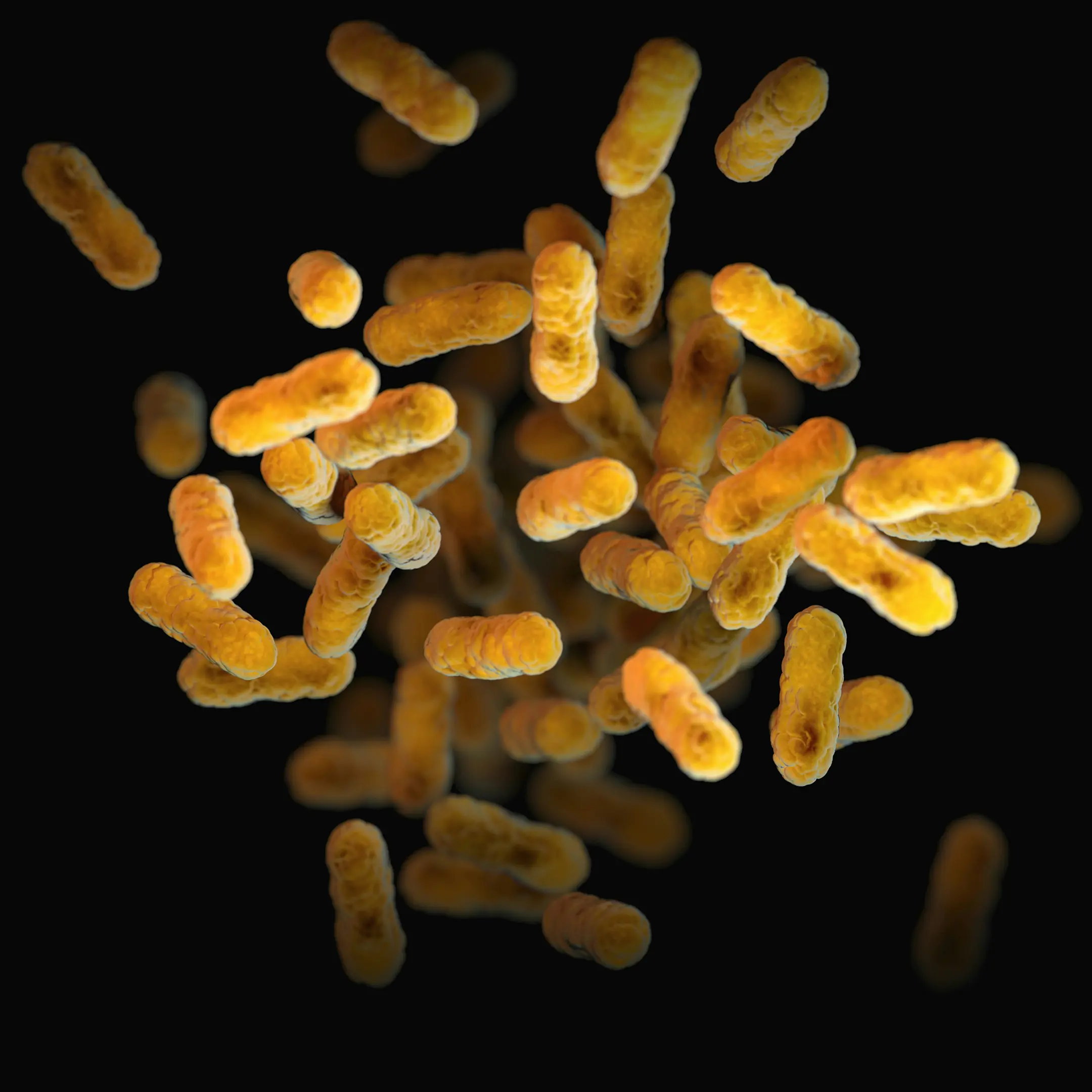
Sequencing costs continue to decline, and sequencing has become the technique of choice for characterization and identification of all biological specimens. DNA sequencing provides highly accurate identification of biological relatedness of species and the results have fundamentally changed the tree of life and how we view evolution. There are many areas in biology that sequencing has greatly changed but the greatest is coming in our abilities to unravel the complex of ecosystems that are populated by microorganisms, particularly bacteria. Unravelling the microbiology of the human body (microbiome) remains one of the largest scientific projects on the planet. We now recognize that half the cells in our bodies are in fact bacteria. They aid in our digestion, regulate our immune systems, and even impact on our mental and physical health. The microbiome is considered to be of equivalent importance to any of our major organs.
The treasures that reside in the microbial world cannot be underestimated. A gram of soil contains 100 million to 1 billion bacteria. We know they play a crucial role in many soil processes but our knowledge of them remains superficial. What they do as individuals and as communities remains a mystery. However, such information is critical for food production, water purity, and environmental functions such as air quality.
We now recognize that half the cells in our bodies are in fact bacteria. The microbiome is considered to be of equivalent importance to any of our major organs.
Many of the bacteria to be discovered or characterized will become invaluable tools for purposes not yet predicted. Exploiting their use will create a new gold rush in biological sciences. A wealth of unpredicted novel products have already been produced using bacteria. Insulin, a crucial hormone for regulating blood sugar levels, has been made using recombinant DNA gene technology since 1978. Sales of Taq polymerase generated billions in royalties and sales are not slowing down. Identification of novel cancer medications and antibiotics are reported daily in research publications. Biodegradable plastics are going to be produced from the nutrient storage reserves of bacteria called polyhydroxyalkanoates (PHAs). DNA editing tools called CRISPR are found in the genomes of 50% of prokaryotic organisms. CRISPR allows for changing single bases in the DNA molecule, giving us the power to edit DNA at will. Gene editing through CRISPR technology has demonstrated significant potential in treating various genetic disorders and has received approval for the treatment of patients with sickle cell disease and beta-thalassemia. Gene editing is expected to create a market that will grow exponentially. Large investments in CRISPR-based therapies to cure various genetic diseases and cancers are underway.
Unlocking microbial potential: what’s next
Institutions around the world that hold large bacterial culture collections are now working together to sequence their entire libraries. Their results will identify millions of new species, and the database created will be a treasure trove from which we can select novel biological functions and synthetic capabilities for making new products and developing new technologies. The potential that resides in exploiting microorganisms is well recognized but is not receiving the kind of attention and investment as AI. Utilizing microbes as biological factories will require expansion for the fermentation industries and this will require large sources of capital. While large scale fermentors for producing microbial products such as beer, wine, yogurt, etc. have been around for hundreds of years, the coming era will require handling of a much greater diversity of biological agents. As of now, the fermentation industry remains underserved in the training of required expertise by Colleges and Universities. Trained fermentation engineers, microbiological physiologists and technologists are already in great demand. The value to be derived from this microbial revolution should not be underestimated.
Further reading:
- Chien A, Edgar DB, Trela JM (September 1976). “Deoxyribonucleic acid polymerase from the extreme thermophile Thermus aquaticus”. Journal of Bacteriology. 127 (3): 1550–7. doi:10.1128/jb.127.3.1550-1557.1976. PMC 232952. PMID 8432.
- Mullis, Kary B. “The unusual origin of the polymerase chain reaction.” Scientific American 262, no. 4 (1990): 56-65.d
- Nelson, K. E., Weinstock, G. M., Highlander, S. K., Worley, K. C., Creasy, H. H., Wortman, J. R., Rusch, D. B., Mitreva, M., Sodergren, E. & other authors (2010). A catalog of reference genomes from the human microbiome. Science 328, 994–999.